
Patient Guides · Diagnosis
Finding the Real Source
of Your Pain
An MRI can show a dozen findings that look alarming and have nothing to do with your symptoms. Treating the wrong issue is one of the most common reasons spine care fails. Every evaluation starts with you, not your scan.
Step one
A thorough history and physical exam
We talk through where your pain is, what makes it better or worse, and how it has changed. Then I examine your strength, reflexes, sensation, gait and range of motion, and use specific tests that point to a nerve root, a joint or the spinal cord.
The exam tells me which imaging findings matter.
“We always look at the x-rays, MRIs and any available imaging together. We work hard to make sure we understand what is driving the pain.”
Dr. Robert J. Ames
Step two
The right imaging for the question
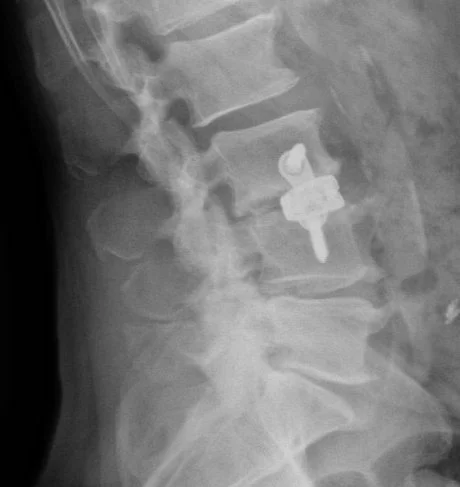
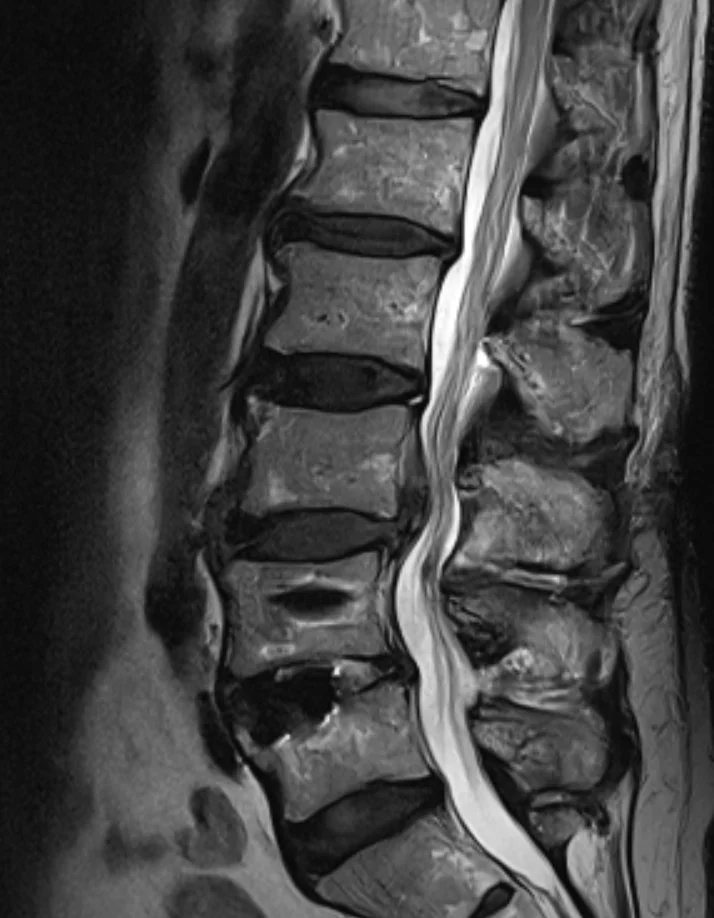
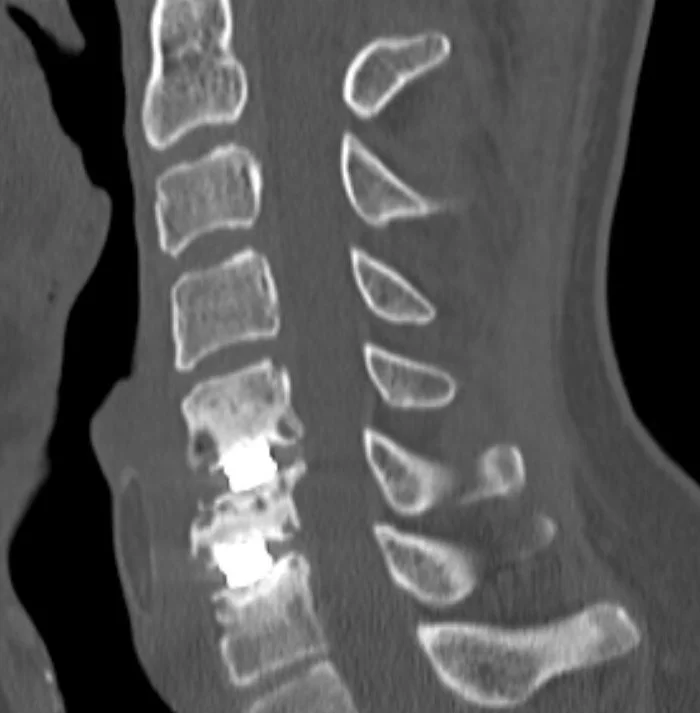
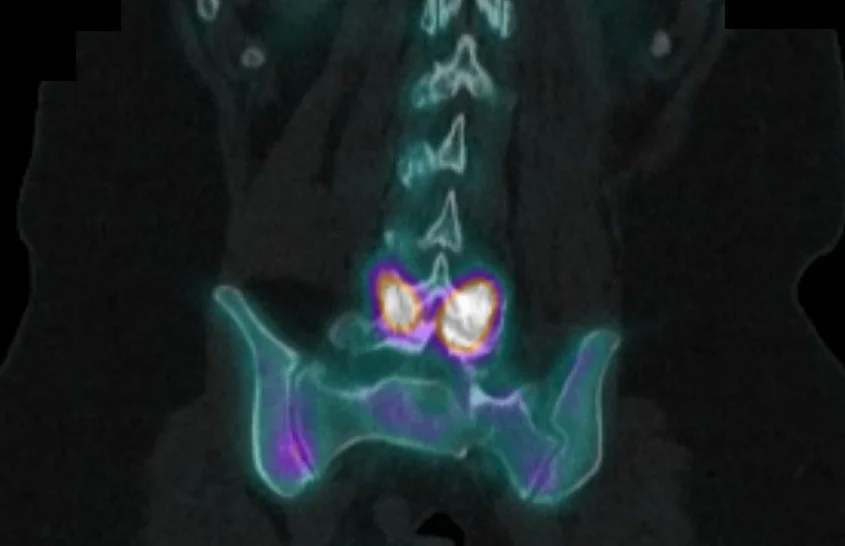
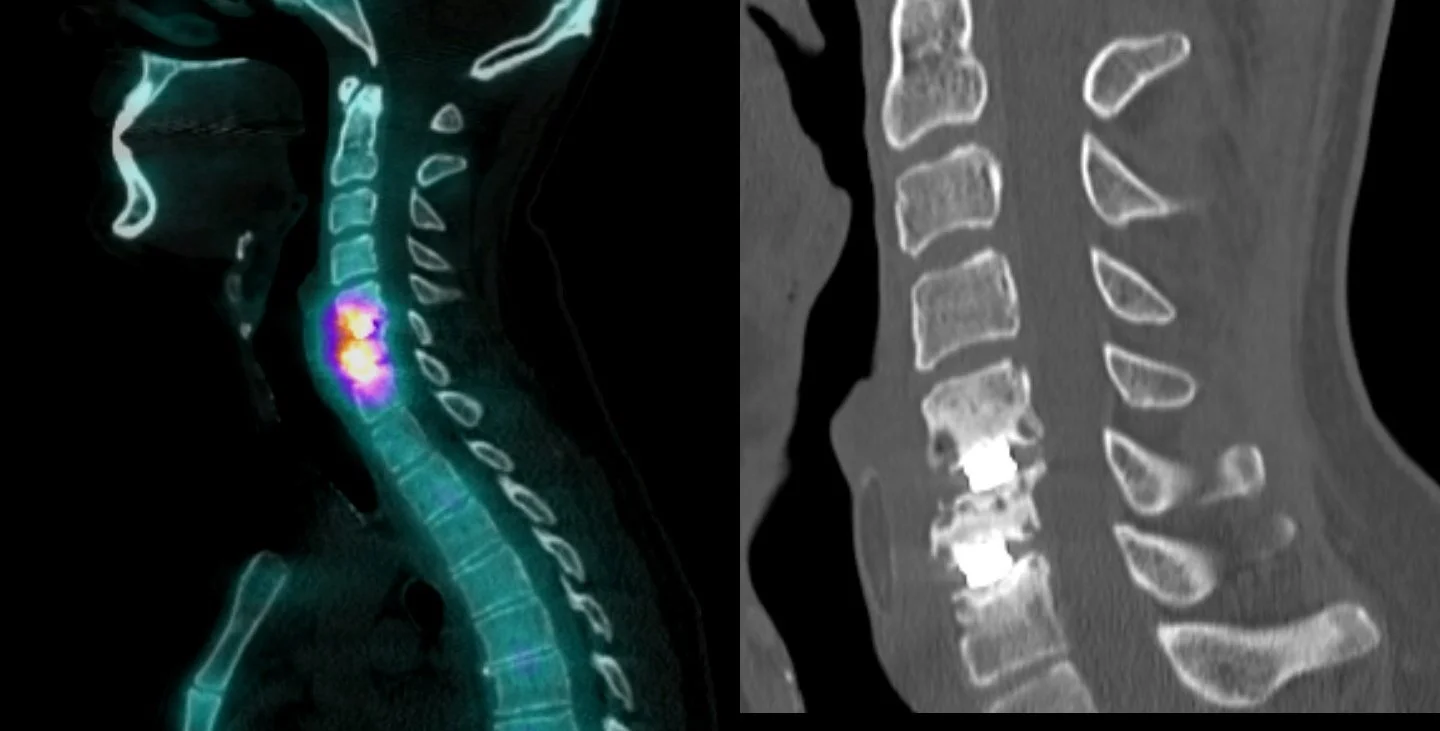
Case example
When the scan and the symptoms point to the same spot
Here, a patient with neck pain years after disc replacement had imaging that could have pointed several directions. SPECT/CT showed the problem was active at exactly the two implanted levels, and CT confirmed loosening there. That made the treatment decision clear.
More case examples
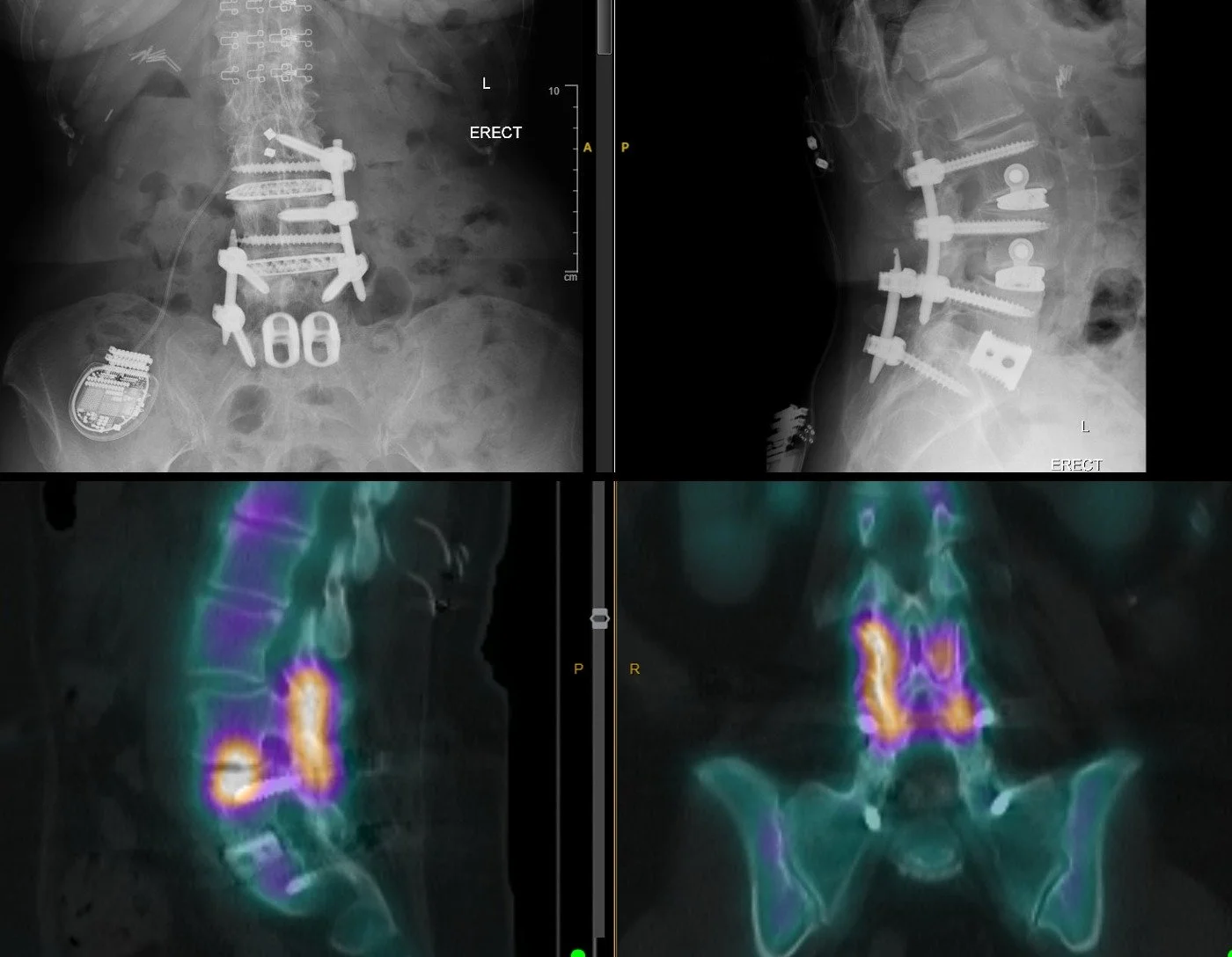
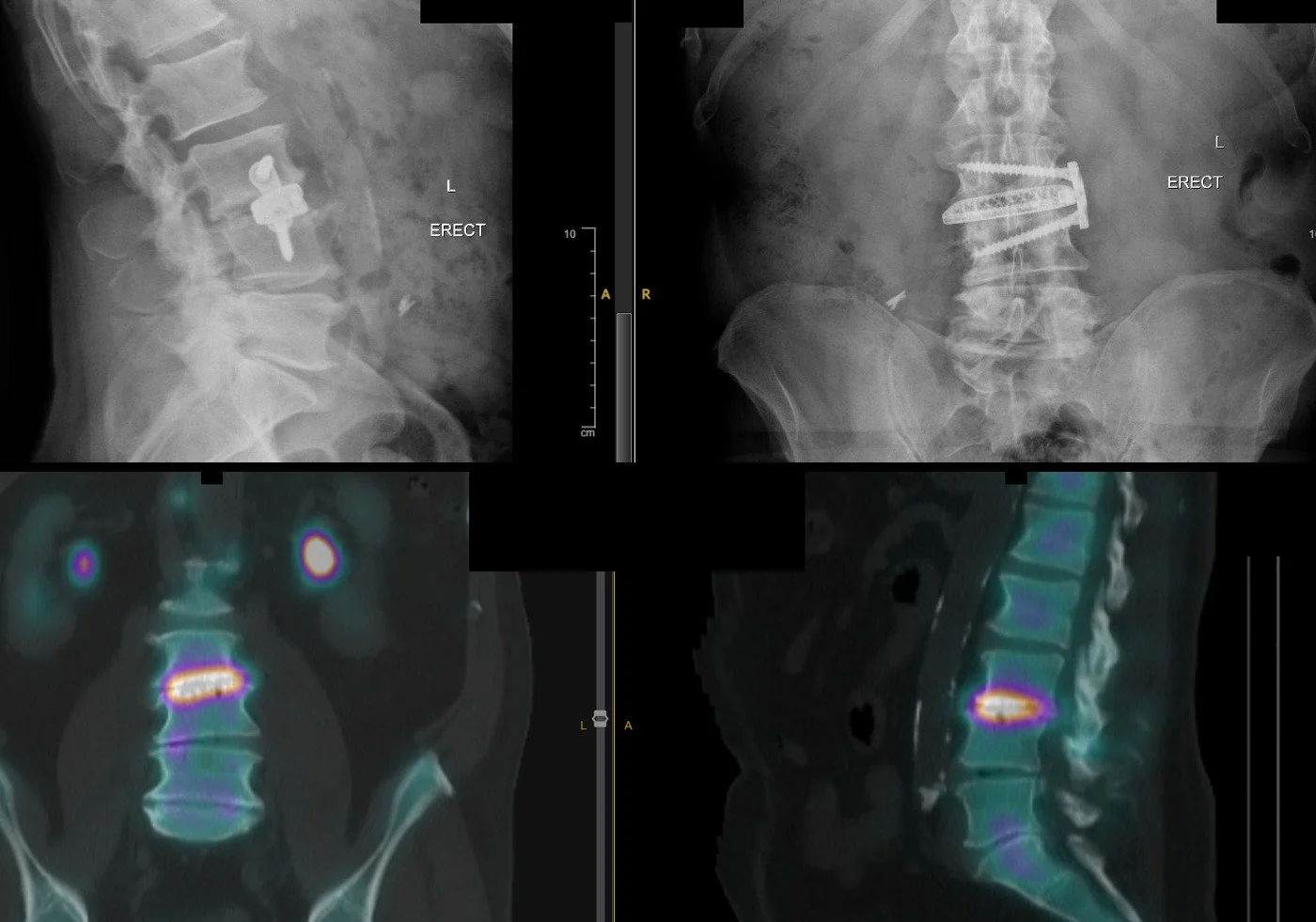
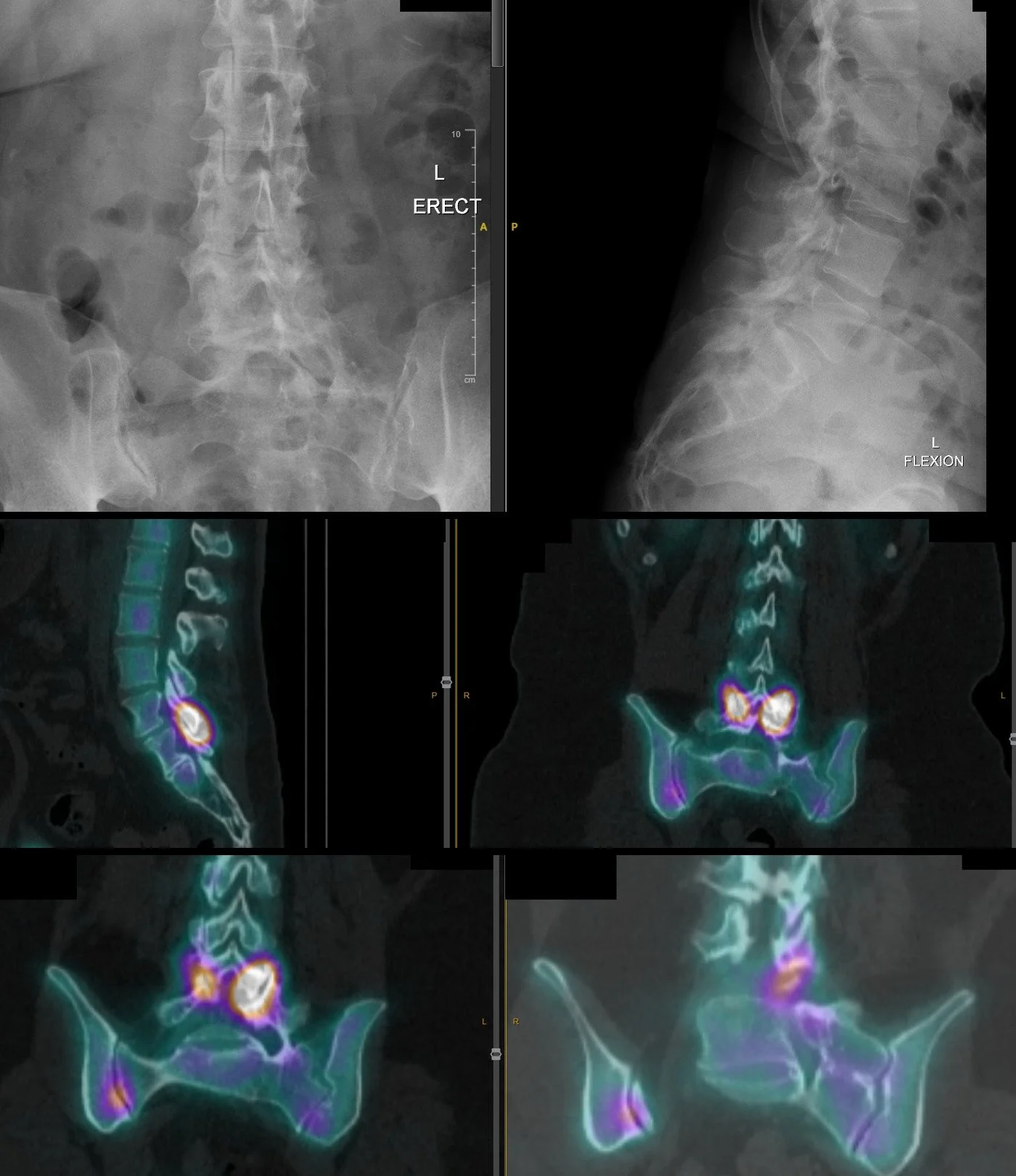
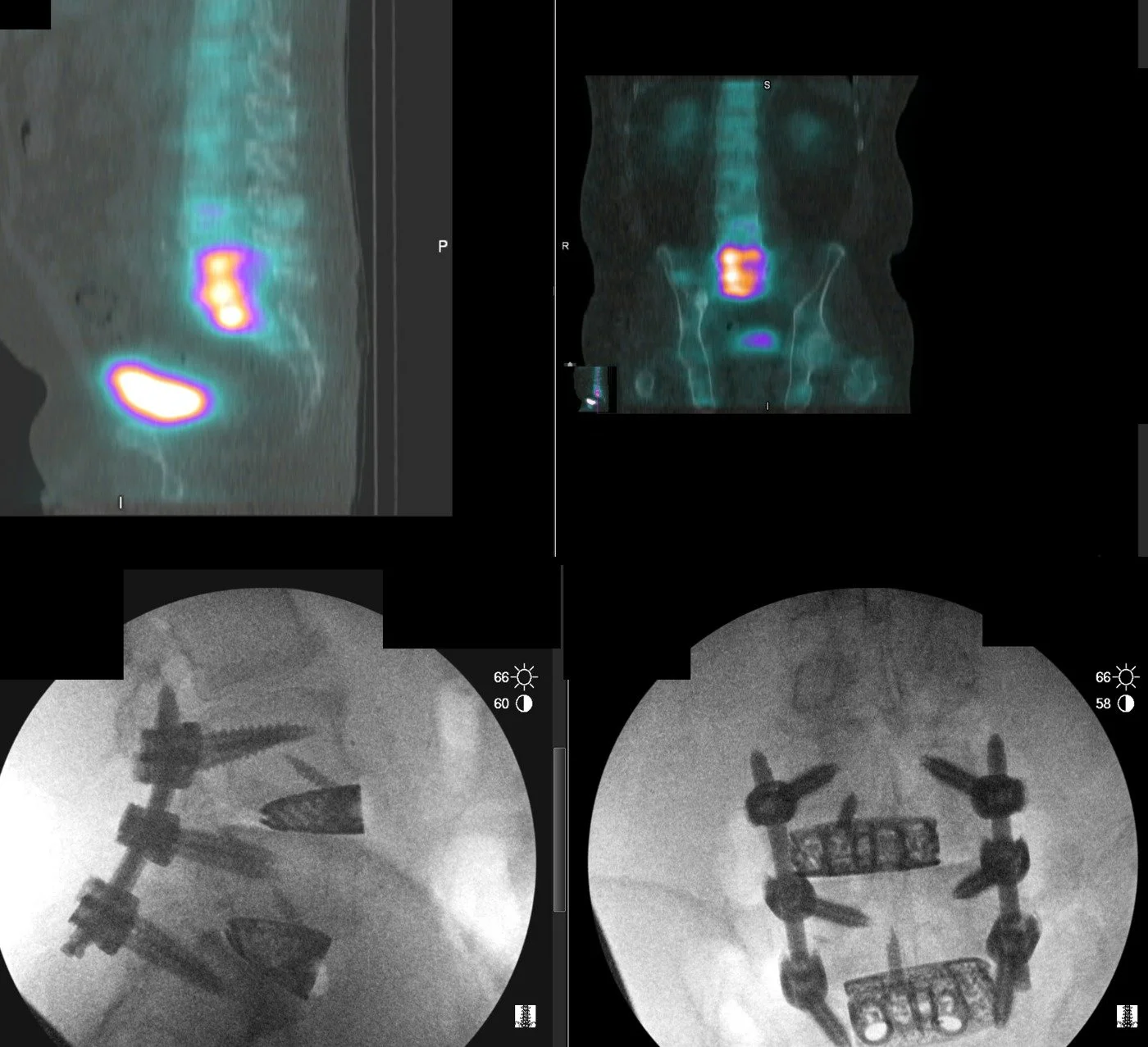
The X-ray shows the structure. SPECT/CT shows what's active.
Each case pairs the patient's X-rays with the SPECT/CT done before surgery, which showed exactly which level was active.
Step three, when needed
Diagnostic injections
A targeted numbing injection into a specific joint or nerve can confirm the source. If the pain goes away for a few hours, we have likely found the pain generator.
Putting it together
No single test gives the answer
When the exam, the imaging and your symptoms line up, we can recommend treatment with confidence, whether that is physical therapy, an injection or surgery. When they don't, that tells us something important too.